


Key Takeaways
Texas landlords must follow state requirements for leases, repairs, security deposits, disclosures, and eviction procedures to avoid costly disputes and penalties.
San Antonio landlords face additional local requirements, including providing a notice of tenant rights before pursuing eviction.
Clear leases, documented inspections, timely maintenance, and accurate records can help property owners stay compliant and protect their investment.
If you own a rental home in Bexar County, Texas landlord-tenant law is the rulebook you're playing by whether you've read it or not. San Antonio adds its own layer on top of the state code: landlords here must provide the city's Notice of Tenants' Rights when issuing a Notice to Vacate for nonpayment of rent, and repeat violations can result in fines up to $500.
At Wright Property Services, most of the owners we talk to didn't know that rule existed until they needed it. This guide walks through the parts of Texas landlord-tenant laws that come up most often for single-family and small multifamily owners, from lease terms to security deposits to where the eviction process starts.
Want More Information?
Why Texas Landlord-Tenant Law Matters More Right Now
San Antonio's rental market shifted hard in 2026. CoStar put the metro apartment vacancy rate at 15.7 percent in the first quarter, the highest of the 50 largest apartment markets in the country. RealPage recorded 31.6 percent of San Antonio landlords offering concessions in January, while Zumper showed one-bedroom asking rent down 10.4 percent year over year.

In a market like that, owners feel pressure to fill a vacancy fast and worry about paperwork later. That's when a notice gets sent a day short, a deposit gets returned without an itemized list, or a required disclosure gets missed.
Texas Property Code Chapter 92, in Plain Language
Most of what governs residential leases in Texas lives in Texas Property Code Chapter 92. It covers security deposits, a landlord's duty to repair, smoke detectors and security devices, utility cutoffs, and repair and deduct rights. Eviction procedure sits elsewhere, but Chapter 92 is where most day-to-day landlord obligations start.
If a tenant sends written notice of a condition that materially affects health or safety, the landlord has to act within a reasonable time, with seven days generally treated as a rough benchmark. Chapter 92 also requires working locks, latches, and peepholes at move-in and after tenant turnover.
Lease Requirements Every San Antonio Landlord Should Know
Texas doesn't require a specific lease form, but a lease needs to spell out every adult resident, rent amount and due date, term length, utility responsibilities, and pet and occupancy policies. A lease silent on late fees gives you no standing to charge one later.
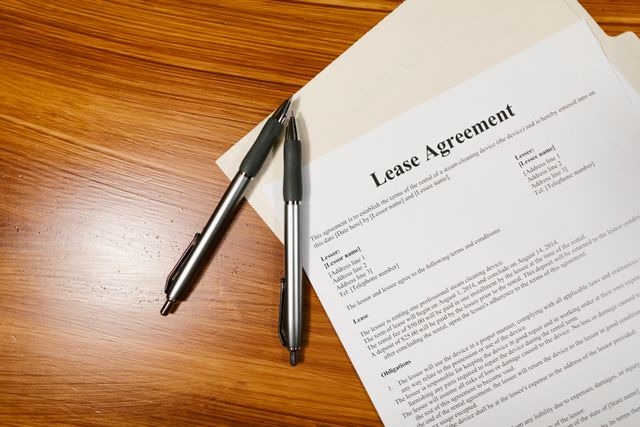
We build move-in and move-out inspections into every lease we manage, with photos and a signed condition report to help prevent security deposit disputes.
Required Disclosures for Texas Rental Properties
Federal law requires a lead-based paint disclosure for homes built before 1978. Texas Property Code also requires landlords to disclose if a unit is located in a floodplain or has flooded in the past five years. If your rental sits near one of San Antonio's flood-prone creeks, this disclosure isn't optional.
Entry Rights and Repair Obligations
Texas statute doesn't set a specific notice period for a landlord entering an occupied unit. In practice, reasonable advance notice, typically 24 hours, is common, and we write that into every lease we manage.
Chapter 92 requires landlords to fix conditions affecting health or safety once notified in writing. Failure to address the condition after the tenant follows the required notice and timing procedures can allow the tenant to pursue remedies that may include repair and deduct, lease termination, or damages.
Want to Know More About How We Help Property Owners?
Learn About Our Property Management Services!
Security Deposit Basics Under Texas Law
Texas law generally gives landlords 30 days after a tenant surrenders the property to return the deposit or provide an itemized list of deductions, although the landlord's obligation is deferred until the tenant provides a written forwarding address.

Photograph everything at move-in and move-out, and keep receipts for anything you deduct.
Notice Periods and Lease Termination
Absent a lease provision that says otherwise, Texas law defaults to a three-day notice to vacate before a landlord can file eviction, and that period can be changed by written agreement.
San Antonio also requires landlords to deliver the city's notice of tenant's rights before filing, and skipping it can carry a fine up to $500. We build both notices into our process by default.
Where the Eviction Process Fits
Eviction in Texas is filed as a forcible detainer suit in justice court after the proper notice to vacate expires. It's a narrow legal procedure with strict timing, and one mistake can send a case back to square one.
We're covering the eviction process in a separate article. What matters here is that eviction is the last step, and the lease, notices, and documentation determine whether it goes smoothly.
Landlord Rights and Tenant Rights in Texas
Landlord rights include collecting rent on time, enforcing lease terms, screening applicants using legal and consistent criteria, and recovering possession through the court process.
Tenant rights include a habitable home, return of a security deposit within 30 days, protection from retaliation for reporting code violations, and advance notice before entry in most circumstances.
How Wright Property Services Keeps San Antonio Owners Compliant
Property management is our legacy, going back to Wright Realty Co. in 1945. Our screening checks credit, criminal background, prior landlord verification, and proof of income.

Every lease we write includes required disclosures and applicable notice periods. Every move-in and move-out comes with a documented inspection, and every owner gets a portal with the numbers behind it.
If you're weighing whether to keep self-managing, our free rental analysis gives you a data-informed rent estimate and a clear look at where your property stands.
Bottom Line
You don't have to learn Texas landlord-tenant law to own a rental home in Bexar County well. Request a free rental analysis and we'll walk you through where your property stands, what compliance looks like for your lease, and how our professional team keeps landlords and residents protected through every step of the process.
Disclaimer: This article is general information about Texas landlord-tenant law, not legal advice. Statutes and local ordinances change, and every situation has details that matter. Talk to a licensed Texas attorney before making decisions about notices, deposits, or eviction.
Want to Know More About Us?
Frequently Asked Questions
What is Texas Property Code Chapter 92?
Chapter 92 is the section of Texas law that governs residential leases, covering security deposits, landlord repair duties, smoke detectors and security devices, and utility shutoff liability. It's the starting point for most landlord obligations in Texas, though eviction procedure sits in a different chapter.
How long does a landlord have to return a security deposit in Texas?
30 days after the tenant moves out. If deductions are taken, Texas law requires an itemized list of those deductions along with the remaining deposit.
Does San Antonio have rules beyond state landlord-tenant law?
Yes. San Antonio requires landlords to deliver a notice of tenant's rights before filing for eviction, separate from the state's notice-to-vacate requirement, and the city can fine noncompliance up to $500.
Can a landlord enter a rental property in Texas without notice?
Texas statute doesn't set a specific notice period for entry, but courts and standard lease language generally expect reasonable advance notice, commonly 24 hours. We write this into every lease we manage.
Does Texas have rent control?
No. Texas has no statewide rent control and no statewide rental licensing requirement, though local notice ordinances like San Antonio's still apply.
Ready to Get Started?