


Key Takeaways
San Antonio landlords should compare realistic rental income against vacancy, maintenance, insurance, taxes, and financing costs before deciding not to sell.
Thorough property preparation, market-based pricing, consistent screening, and knowledge of local requirements can reduce preventable problems during the tenancy.
Professional management may be valuable for owners who live out of state, manage multiple rentals, or do not have time to handle leasing and maintenance themselves.
Maybe PCS orders moved you away from San Antonio, or you inherited a house you are not ready to sell. Either way, you are renting out a home without planning to become a landlord, and the decisions ahead may have lasting financial consequences.
At Wright Property Services, we help owners determine whether renting makes sense, prepare and price their properties, screen applicants, and plan for ongoing ownership costs. Our family has worked in South Texas real estate since 1945, giving us extensive experience with the challenges first-time Bexar County landlords face.
Want More Information?
Should You Rent or Sell First?
Before you become a landlord, run the math against selling. If you're still weighing both options, our guide on whether to rent or sell your home in San Antonio breaks down the financial and practical factors to consider. A house that rents for $1,200 to $2,400, the range where most of our owners sit, can carry a mortgage, taxes, and insurance and still leave something over, but only if the numbers work before you sign a lease, not after.
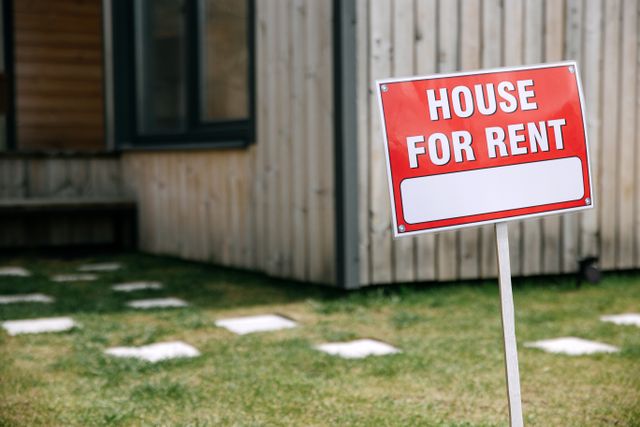
An inherited home may have no mortgage, while a relocation property may still carry monthly costs. Account for financing and vacancy before deciding to keep one.
Getting the House Ready to Rent
Start with the systems, not the paint color. A tenant will forgive dated countertops. They won't forgive a water heater that fails in week three. Walk the HVAC, roof, plumbing under sinks, and exterior drainage before you list because saving energy becomes especially important when South Texas heat forces air-conditioning systems to work harder.
Document the condition before anyone moves in. Photograph every room, every appliance, every wall. We build this into a formal move-in inspection for every home we manage, and that same documentation protects you at move-out when there's a dispute over a stain or a scratch nobody can quite remember the origin of.
Pricing It Right in a High-Vacancy Market
San Antonio's rental market shifted in 2026, and pricing a house on last year's number is the single most common mistake new landlords make. CoStar put the metro apartment vacancy rate at 15.7 percent in the first quarter of 2026, the highest among the fifty largest U.S. apartment markets, and RealPage found 31.6 percent of San Antonio landlords offering concessions in January, discounting an average of 11.6 percent.

Zumper recorded one-bedroom asking rent down 10.4 percent year over year, the steepest drop in Texas.
Single-family homes aren't apartments, and demand for them holds up better. Major employers, medical centers, and UTSA help support demand for houses near San Antonio’s employment and education centers.
Price a house 5 percent too high in this market and you'll sit empty into November, the slowest leasing month of the year, while a tenant who would've signed in August rents somewhere else.
Screening the Tenant Who Will Live There
The fastest way to turn one bad tenant into a $3,000 repair bill is skipping screening to fill a vacancy faster. Every application we run goes through credit history, criminal background, prior landlord verification and proof of income, in that order, because a landlord reference tells you more than a credit score ever will.
Texas gives landlords real tools here, but also real obligations. The Texas Property Code governs matters such as security devices, repair obligations, security deposits, and certain notice requirements. Get familiar with the rules before you need them, not during a dispute.
Want to Know More About How We Help Property Owners?
Learn About Our Property Management Services!
What Renting Out a House Actually Costs
Beyond the mortgage, budget for vacancy between tenants, maintenance and turns, insurance built for a rental rather than an owner-occupied policy, and property taxes that don't pause because you moved. Preventive maintenance is cheaper than reactive maintenance every time.

An HVAC service call in July costs less than a full system replacement in August, and a wrapped outdoor spigot in January costs less than a burst pipe in February.
Set aside 1 to 2 percent of the home's value a year for maintenance as a starting estimate, and expect that number to run higher on an older inner-loop home than on a newer build in Alamo Ranch or Schertz.
Understanding the role of a property manager can help owners decide whether professional oversight of maintenance, rent collection, lease enforcement, and legal compliance is worth including in their budget.
Owners considering professional management should also factor in the full range of property management fees in San Antonio, including monthly management, leasing, renewal, and other potential service charges.
Self-Manage or Hire a Property Manager?
Self-managing can work if you live nearby, have time on nights and weekends, and don't mind being the person a tenant calls at 11 p.m. about a leaking water heater. It becomes harder when you live out of state, own multiple rentals, or want to protect your personal time.
That's the gap we fill. Owners get a portal for statements and ACH disbursements, so you're not waiting on a check in the mail. Residents get a portal for rent payments and maintenance requests, so small issues get reported before they become expensive ones.

Move-in and move-out inspections document the property's condition at both ends of the lease, and our founder's CCIM designation, earned in 2005 and still uncommon among managers of single-family homes, means the advice extends past leasing into how the property fits your longer-term investment plan.
How Wright Property Services Helps First-Time Landlords
We're a third-generation South Texas real estate family, tracing back to Wright Realty Co. in 1945 and relaunched as Wright Property Services LLC in 2015. Founder Steven Wright has been licensed in Texas since 1990 and a broker since 2011.
That history matters less than what it produces day to day: market-based rent pricing instead of a guess, multi-point screening instead of the first applicant who shows up, and a decision-maker you can actually reach when something needs a call.
Want to Know More About Us?
Bottom Line
Renting out a San Antonio home requires realistic pricing, careful preparation, consistent screening, and a plan for ongoing expenses. Our professional team can handle the day-to-day responsibilities, helping first-time landlords protect their properties and manage them with confidence.
Frequently Asked Questions
How much should I rent my San Antonio house for?
Pull three to five comparable rentals within a mile that match your bedroom count, square footage and condition, then adjust for current concessions in your area. A free rental analysis gives you a data-informed number without the guesswork.
Do I need a property manager to rent out my house in San Antonio?
Not always. If you live nearby and have time for showings, maintenance calls and paperwork, self-managing is possible. Out-of-area, military and multi-property owners usually find a manager pays for itself in avoiding vacancy and turnover.
What's the biggest mistake first-time landlords make in San Antonio?
Overpricing the listing. In a market where 31.6 percent of landlords already offer concessions, a house priced above the comparables sits empty into the slow winter leasing season.
Do I have to give tenants a formal notice before eviction in San Antonio?
Yes. San Antonio requires a notice of tenant's rights before an eviction filing, with fines up to $500 for non-compliance. Talk with an attorney or a licensed property manager before starting the process.
Can Wright Property Services manage a home I already have a tenant in?
Yes. We take over management mid-lease regularly, reviewing the existing lease and tenant file before transferring rent collection and maintenance coordination to our team.
Ready to Get Started?