

Key Takeaways
Running the numbers on renting versus selling starts with comparing monthly cash flow against the lump sum you'd net from a sale, not just the sale price.
San Antonio's rental market can be competitive, so owners should price carefully and account for vacancy and concessions in their projections.
Selling an inherited home can carry different tax treatment than selling a primary residence, so a tax professional should weigh in before you list or lease it.
A vacant home still costs money every month, so utilities, insurance, taxes, HOA dues, and the mortgage all belong in your holding-cost math.
Professional management can absorb much of the day-to-day work that pushes owners toward selling, including screening, inspections, rent collection, and reporting.
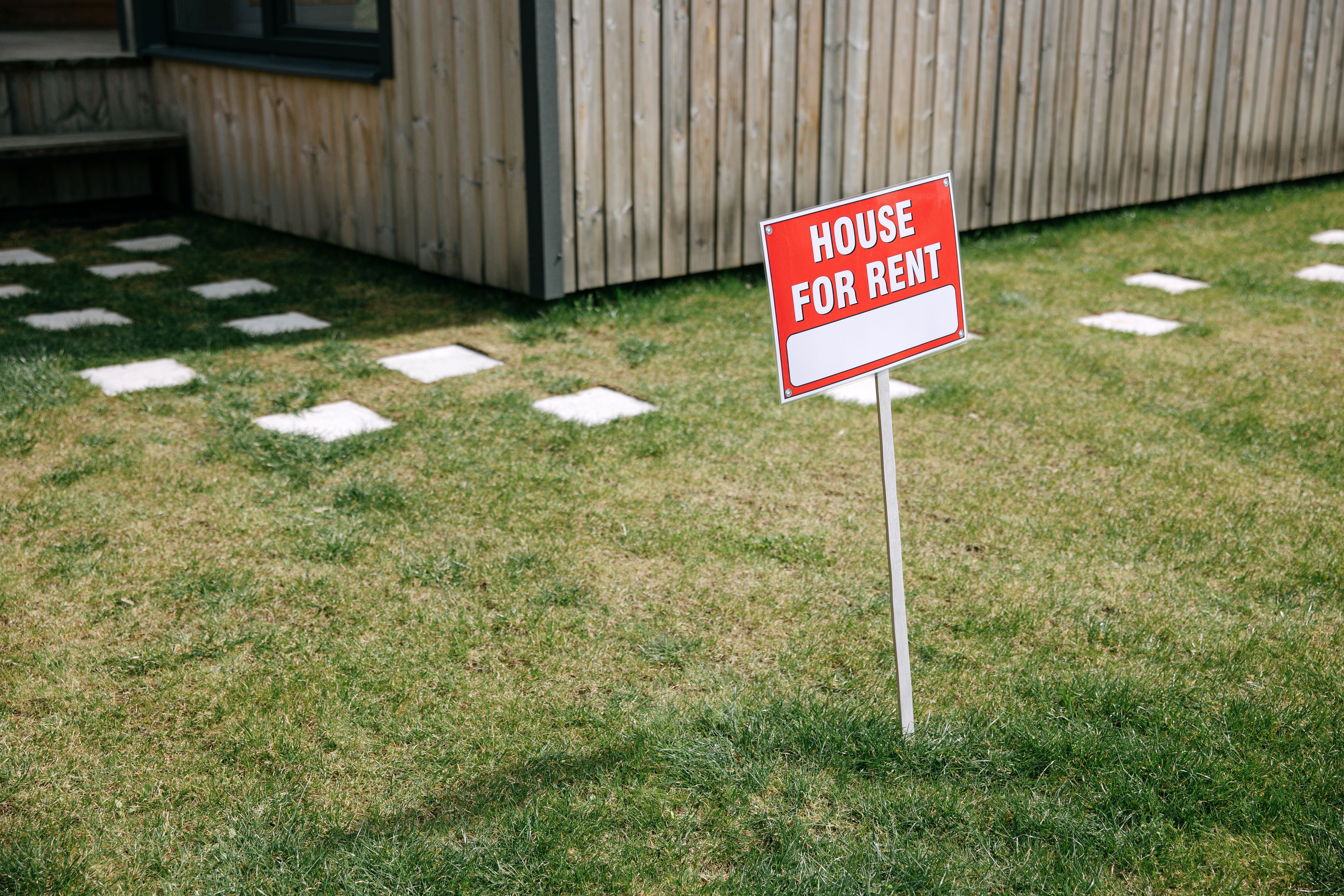
Owners facing a move, inheritance, or underwater mortgage often ask the same question: should I rent or sell my house in San Antonio? The answer depends on your monthly cash flow, what the property would net at sale, how tax rules apply, and whether you're prepared to manage a rental from another city or duty station.
Wright Property Services works with owners across Bexar County facing this decision, from military families on PCS orders to people who inherited a home they never planned to keep. The best place to start is with the numbers and practical considerations that will shape the outcome.
Want More Information?
The San Antonio Rental Market
San Antonio's rental market can be competitive, particularly when apartment operators and other landlords use discounts or move-in incentives to attract residents.

That means single-family rental owners need to be realistic about asking rent, vacancy, and how long it may take to secure a qualified tenant.
At the same time, San Antonio benefits from a large and diverse employment base. Joint Base San Antonio, USAA, Valero, the South Texas Medical Center, UTSA, and other major employers support ongoing housing demand across the region.
This economic diversity is also one of the key reasons to invest in San Antonio, particularly for owners focused on long-term rental demand.
The takeaway is simple: don't assume strong demand or weak demand based on headlines alone. Your property's neighborhood, condition, size, amenities, and price point matter more than broad market averages when deciding whether renting makes financial sense.
Cash Flow Versus a One-Time Sale
Start with the math you can verify. Add up your expected monthly rent, then subtract the mortgage payment, property taxes, insurance, a maintenance reserve, expected vacancy, and management costs if you plan to hire help. Multiply what's left by 12 to estimate annual rental cash flow.
Now estimate what you'd net from a sale. Start with the expected sale price, then subtract your mortgage payoff, agent commissions, closing costs, and any repairs or concessions a buyer may request.
Compare that lump sum with the income the rental could reasonably produce over several years. Be conservative. A home that sits empty for two months or requires a major repair can look very different on paper than one that leases quickly and needs little maintenance.
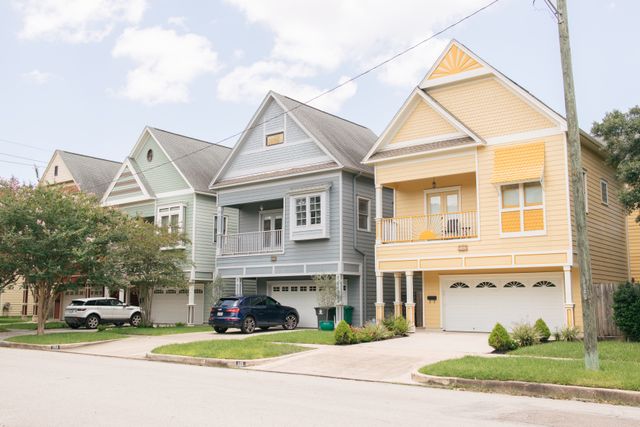
You should also consider what you would do with the sale proceeds. If selling lets you pay down high-interest debt, fund another purchase, or invest the equity elsewhere, that opportunity cost belongs in the comparison too.
Appreciation, Taxes, and Depreciation
Nobody can promise what a San Antonio home will be worth several years from now. Employment, population growth, interest rates, housing supply, neighborhood conditions, and the property's upkeep can all affect future value.
Taxes also matter more than many owners expect. When considering the sale of your home, IRS rules may allow you to exclude up to $250,000 in capital gains, or up to $500,000 for qualifying married couples filing jointly, if the property was your primary residence and you meet the applicable ownership and use requirements. Converting the property to a rental can affect how those rules apply later.
Rental owners may also claim depreciation, but depreciation can create a recapture tax when the property is sold. An inherited property raises a different set of questions because inherited real estate generally receives a stepped-up basis tied to its fair market value at the date of death.
These rules can materially change the rent-versus-sell calculation, so don't guess. Talk to a CPA or tax attorney before making the decision. If management costs are part of your analysis, our property management fees guide explains how those expenses may fit into the budget.
Want to Know More About How We Help Property Owners?
Learn About Our Property Management Services!
The Cost of Holding a Vacant Home
A vacant house doesn't pause its bills.
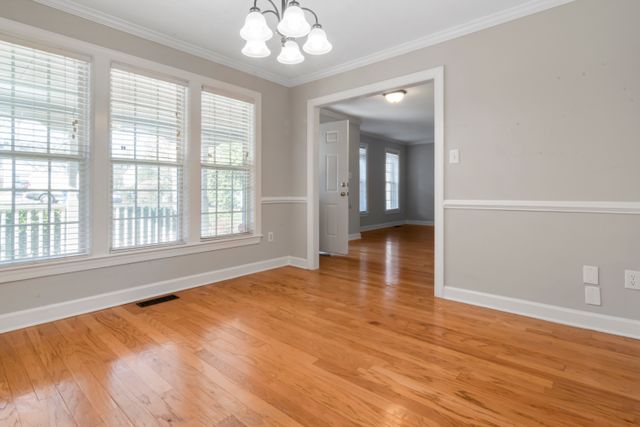
Property taxes, insurance, HOA dues if applicable, utilities needed to protect the property, and the mortgage all continue whether or not anyone is paying rent.
Vacancy can quickly erase an otherwise attractive return. An overpriced listing may sit while you continue covering the home's expenses, and reducing the rent later does not recover the money already lost.
Pricing correctly from the start, based on current comparable rentals and the property's actual condition, is one of the biggest factors in whether renting works.
Owners should also budget for turnover expenses. Cleaning, landscaping, repairs, lock changes, and small upgrades can add up between residents, especially if the property needs work before it is ready to lease.
Common Triggers That Force the Decision
Job relocation or PCS orders. Military families stationed near Joint Base San Antonio often face this choice on a deadline. JBSA offers relocation readiness resources to help service members and their families prepare for permanent change of station moves.
Renting can make sense if you expect to return to the area, want to keep the property as a long-term asset, or would rather not sell under pressure.
An inherited house. Renting out a house you inherited can give you time to decide what to do with the property, but it also means taking on landlord responsibilities for a home you may not know well. Before leasing it, make sure you understand its condition, insurance needs, local requirements, and likely operating costs.

An upside-down mortgage. If you owe more than the home is worth, selling could mean bringing cash to closing. Renting may help bridge the gap, but only if the rent realistically covers your carrying costs and the property fits your longer-term financial plan.
A Short Decision Checklist
Work through these questions before you commit in either direction:
Do you need the equity now?
Would rent cover the mortgage, taxes, insurance, vacancy, maintenance, and management costs?
Are you comfortable managing repairs, tenant communication, and compliance from a distance?
Would professional management make keeping the property more practical?
Have you considered the tax consequences of selling versus renting?
What would you actually net from a sale after commissions, closing costs, and repairs?
How Professional Management Removes the Hands-On Burden
Some owners sell because managing a rental from another state or duty station feels overwhelming. Professional management can remove much of that burden.
A rental analysis can help establish a realistic asking rent, while screening, inspections, rent collection, maintenance coordination, and owner reporting keep the property organized after a tenant moves in.
Wright Property Services combines deep San Antonio roots with accountable, data-informed management. If you're deciding whether to keep or sell, our guide to renting out your home explains what the rental process looks like day to day.
Bottom Line
There's no single right answer to renting versus selling a San Antonio house, but there is a reliable process for deciding.
Run the cash flow numbers conservatively, understand what a sale would actually net after taxes and closing costs, account for vacancy and repairs, and decide how much hands-on responsibility you're willing to take on.
For some owners, selling provides simplicity and immediate access to equity. For others, renting preserves a long-term asset and creates an income stream that may improve over time.
If the responsibilities of being a landlord are the main concern, working with a professional property management company can make keeping the home more manageable. Ultimately, the better choice is the one that fits your finances, timeline, tax situation, and willingness to remain a property owner.
Want to Know More About Us?
Frequently Asked Questions
How can I tell what my San Antonio house would realistically rent for?
Start with recently leased properties that are similar in location, size, condition, and features rather than relying on a broad citywide average. Current competition also matters. A rental analysis can help you estimate an appropriate asking rent and determine whether the expected income leaves enough room for expenses, vacancy, and maintenance before you commit to keeping the property.
Does a rental property need to generate positive cash flow to be worth keeping?
Positive monthly cash flow is an important consideration, but it isn't the only one. Owners may also consider mortgage principal reduction, potential long-term appreciation, tax implications, and whether keeping the property fits their broader investment strategy. However, consistently covering a monthly shortfall requires available cash, so projected expenses should be realistic rather than based on a best-case scenario.
Can I rent my house now and still sell it later?
Yes. Renting doesn't necessarily mean committing to the property indefinitely. Some owners hold a house for a few years before reassessing based on its value, rental performance, personal plans, and market conditions. Keep in mind that converting a primary residence into a rental can affect taxes when you eventually sell, so it is worth discussing the timing with a qualified tax professional.
Should I hire a property manager if I'm moving away from San Antonio?
Distance can make routine responsibilities more difficult, especially when a repair, inspection, late payment, or leasing issue requires attention in San Antonio. A professional property management company can oversee tenant screening, rent collection, maintenance coordination, inspections, and financial reporting on an owner's behalf. This can make renting more practical for owners relocating for work, receiving PCS orders, or otherwise living outside the area.
What should I do before deciding to sell an inherited San Antonio property?
First, determine the home's condition, likely market value, realistic rental rate, ongoing carrying costs, and whether any major repairs are needed. You should also clarify the property's tax basis and discuss potential tax consequences with an appropriate professional. Once you understand both the likely sale proceeds and the property's rental potential, you can compare the options based on actual numbers instead of making a quick decision simply because you inherited the home.
Ready to Get Started?