


Key Takeaways
Underwrite potential purchases conservatively rather than assuming rents or property values will automatically increase.
DSCR loans focus heavily on a property's ability to generate enough rental income to cover its debt obligations, which can make them useful for some real estate investors.
Calculate cap rate and cash flow using reliable rent comparables, realistic vacancy assumptions, and expected operating expenses.
Rental pricing and property performance can vary significantly across Bexar County, so research specific submarkets before making an offer.
A thorough pre-purchase inspection can uncover foundation, roofing, HVAC, plumbing, and other issues before they become your responsibility.
Buying investment property in San Antonio can create opportunities for rental income and long-term wealth building, but a promising listing does not automatically make a good investment. The numbers need to work after financing, vacancy, maintenance, taxes, insurance, and other ownership costs are considered.
Wright Property Services works with owners across Bexar County who are purchasing their first rental or adding to an existing portfolio. Before making an offer, focus on your budget, financing options, expected cash flow, location, and the property's physical condition.
Want More Information?
Set a Budget Before You Shop
Start with the amount you can comfortably invest, not the maximum listing price a lender says you can afford.
Your budget should account for the down payment, closing costs, inspection expenses, initial repairs, and cash reserves. Maintaining several months of reserves can provide a cushion when a property is vacant or an unexpected repair occurs.

Also consider how much negative cash flow, if any, you could realistically absorb. A property that only works financially when every month is occupied and no major repairs occur leaves little room for normal rental ownership expenses.
Compare Your Financing Options
Investment property financing can take several forms, and the right structure depends on your financial position and investment strategy.
Conventional Financing
Conventional mortgages are a common option for investors who qualify based on their income, credit, assets, and debt obligations. Reserve requirements can become more substantial for investment properties and borrowers with multiple financed properties, so lender standards should be reviewed carefully as a portfolio grows.
DSCR Loans
A debt service coverage ratio, or DSCR, loan focuses heavily on the relationship between a property's rental income and its debt payments rather than relying primarily on the borrower's personal income.
These loans can be useful for investors who want financing based more closely on a property's income-producing potential. Down payment, reserve, credit, and DSCR requirements vary by lender.
Cash Purchases
Buying with cash eliminates mortgage payments and financing costs and may simplify the closing process. However, tying up a large amount of capital in one property has an opportunity cost.
Whatever financing approach you choose, understand your likely payment, interest rate, closing costs, and reserve requirements before submitting an offer.
Evaluate Cash Flow and Cap Rate
Cap rate is calculated by dividing a property's net operating income by its purchase price or value. It can be useful for comparing potential investments, but it should not be your only measure.

Start with a realistic rental estimate based on comparable properties in the same area. Then account for expenses such as:
Property taxes
Insurance
Expected vacancy
Maintenance and repairs
Property management
HOA dues, if applicable
Utilities paid by the owner
Mortgage payments are not included in net operating income when calculating cap rate, but they do matter when determining your actual monthly cash flow.
Avoid building an investment plan around the highest rent estimate you can find online. Conservative numbers provide a clearer picture of how the property may perform when vacancies, repairs, and other normal expenses occur.
Research San Antonio Submarkets
San Antonio is a large and diverse rental market, and property performance can vary considerably by location.
Employment centers such as Joint Base San Antonio, the South Texas Medical Center, UTSA, and other major employers contribute to housing demand across different parts of the metro. However, an investor should evaluate the specific property rather than assuming that an entire neighborhood or ZIP code will perform the same way.
Compare nearby rental listings, property taxes, insurance costs, HOA requirements, access to employment centers, and the condition of surrounding housing stock. For a broader look at evaluating opportunities across the metro, see our guide to real estate investing in San Antonio.
Want to Know More About How We Help Property Owners?
Learn About Our Property Management Services!
Look for Inspection Red Flags
A professional inspection is especially important when purchasing a property you intend to rent.
San Antonio's climate and soil conditions can create issues that become expensive after closing.
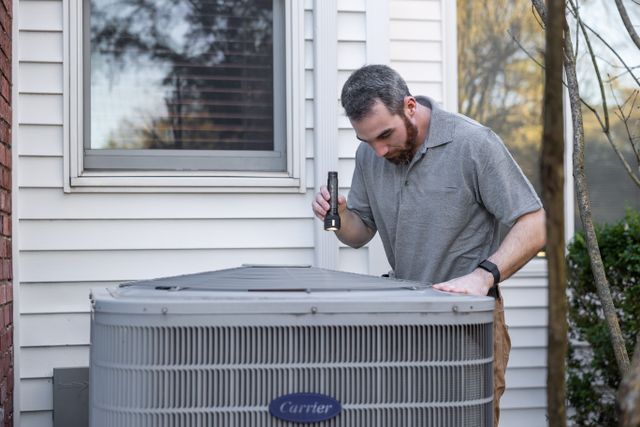
Pay close attention to:
Foundation movement or cracking.
Roof condition and previous repairs.
HVAC condition.
Plumbing and drainage.
Electrical systems.
Water intrusion or moisture damage.
Deferred maintenance.
Previous structural repairs.
Ask for documentation when major work has already been completed. A lower purchase price may lose its appeal quickly if the property requires substantial repairs before it can be safely and properly leased.
An inspection will not identify every future expense, but it can help you budget more accurately and decide whether further evaluation by a specialist is warranted.
Plan for Management Before You Close
Closing on the property is only the beginning. Owners also need a plan for preparing the home, setting rent, marketing the vacancy, evaluating applications, handling maintenance, collecting rent, documenting property condition, and complying with applicable rental laws.
Resident screening should follow written, consistently applied criteria and all applicable fair housing and consumer protection requirements. When landlords use consumer reports as part of the screening process, they must also follow applicable requirements under the Fair Credit Reporting Act.
If you're preparing to become a landlord, our guide to renting out your home in San Antonio covers the practical steps involved after you take ownership.
Wright Property Services uses rental data and comparable properties to help establish asking rents, coordinates leasing and maintenance, documents property condition through move-in and move-out inspections, and provides financial reporting through an owner portal.
Bottom Line
Buying rental property in San Antonio rewards careful analysis more than speed. Start with a realistic budget, compare financing options, calculate cash flow conservatively, and research the specific property and submarket before making an offer.
A thorough inspection can help identify costly issues before closing, while a management plan ensures you understand what happens after you take ownership.
Wright Property Services combines professional property management with brokerage experience for Bexar County rental owners who need help evaluating, buying, selling, or managing investment property. A rental analysis can also help you estimate a property's income potential before making a long-term decision.
Want to Know More About Us?
Frequently Asked Questions
How Much Cash Do I Need to Buy My First Rental in San Antonio?
The amount depends on the purchase price and financing program. In addition to the down payment, budget for closing costs, inspections, initial repairs, and cash reserves.
Investment property loans often require larger down payments than loans for primary residences, but exact requirements vary by lender and loan type. Build your budget around the full cost of acquiring and operating the property rather than the down payment alone.
What Is a DSCR Loan and Who Might Use One?
A DSCR loan evaluates whether a property's expected rental income is sufficient relative to its debt obligations. Rather than focusing primarily on traditional personal-income documentation, the lender places greater emphasis on the property's ability to support the loan.
Requirements vary substantially by lender, so investors should compare rates, down payments, reserve requirements, fees, and qualification standards before choosing this type of financing.
How Do I Know Whether a San Antonio Rental Property Is a Good Investment?
Start with the purchase price, realistic rental income, estimated operating expenses, financing costs, and expected vacancy. Then consider the property's physical condition and whether significant repairs are likely.
A property should be evaluated on its individual numbers rather than on broad assumptions about the San Antonio market. Conservative underwriting can help reveal whether the potential return justifies the cost and risk.
What Should I Look for During a Rental Property Inspection?
Pay close attention to the foundation, roof, HVAC system, plumbing, electrical components, drainage, signs of moisture intrusion, and any deferred maintenance.
Ask for records related to significant previous repairs, particularly structural or foundation work. If the inspector identifies a potentially serious issue, consider having the appropriate specialist evaluate it before the inspection period ends.
Do I Need a Property Manager If I Only Own One Rental Home?
Not necessarily. Some owners successfully self-manage a single property, while others prefer to outsource leasing, rent collection, maintenance coordination, inspections, documentation, and resident communication.
The decision depends on your available time, experience, proximity to the property, and willingness to handle day-to-day responsibilities. If you're comparing the options, include professional management costs in your investment projections before purchasing rather than deciding after closing.
Ready to Get Started?