


Key Takeaways
Location drives rental performance: Employment centers, schools, major highways, and local amenities influence tenant demand and rental income.
Every neighborhood offers different opportunities: The Medical Center, Stone Oak, military-connected areas, and central San Antonio appeal to different renter profiles and investment strategies.
Look beyond advertised rent: Vacancy, property taxes, insurance, maintenance, and leasing costs all affect your actual return.
Evaluate individual properties carefully: Flooding history, foundation conditions, housing quality, traffic, and HOA restrictions can change a property's risk and expenses.
Use local market knowledge: Wright Property Services offers a free rental analysis to help owners understand what a specific San Antonio property could earn.
San Antonio offers a wide range of rental markets, from established neighborhoods near the Medical Center to newer communities on the Far North and West sides. For renters, choosing the right area means balancing affordability, commute times, schools, and lifestyle. For real estate investors, the stakes are just as high. Neighborhood selection can influence rental income, vacancy rates, maintenance costs, and long-term property value.
Understanding these differences takes more than comparing listing prices. Employment hubs, military installations, school districts, property taxes, and even conditions on individual streets can affect a property's performance.
Wright Property Services brings 26 years of local property management experience to San Antonio and its surrounding communities, helping owners understand their rental property's potential. This guide explores some of the city's key neighborhoods for renters and investors, along with the factors to evaluate before choosing where to live or invest.
Want More Information?
What Makes a Neighborhood Good for Renting
Neighborhoods that are strong for renting your home share several features.
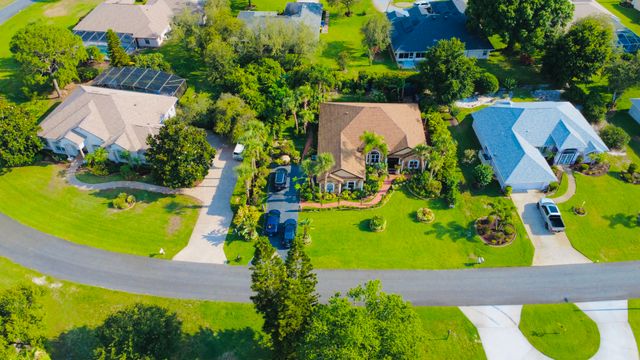
Look for steady employment nearby, whether from the medical center, the military bases, the downtown core, the University of Texas at San Antonio, the technology and financial services sectors, or retail and hospitality. Good access to major highways such as I-10, I-35, I-410, Loop 1604, and US 281 shortens commutes and widens the applicant pool. Quality schools matter to families. Shopping, restaurants, parks, and the River Walk or trail systems add lifestyle appeal. Safety and well-maintained streets help keep tenants longer.
What Makes a Neighborhood Good for Investing
Rent-to-price ratio. Compare typical rent with purchase price to see potential cash flow.
Vacancy and days on market. Areas where homes lease quickly lower your risk.
Appreciation trends. Look at long-term value growth, not just last year.
Property taxes and insurance. Texas property taxes are significant and strongly affect returns.
Tenant profile. Families, professionals, and military households often stay longer than short-term residents.
Age and condition of housing. Older homes can mean higher maintenance costs.
HOA rules. Some associations restrict or regulate rentals.
The Northwest Side and the Medical Center Area
The Northwest side, including areas near the South Texas Medical Center, Leon Valley, Shavano Park, and Helotes, attracts healthcare workers, professionals, and families. Proximity to hospitals, research facilities, and major employers creates dependable demand.

Homes in this part of the city often come with good schools and established neighborhoods, which supports higher rents and longer tenancies. For investors, the tradeoff is typically a higher purchase price, so returns depend on careful underwriting. Tenants here often value well-kept homes, updated kitchens, and convenient access to Loop 410 and Loop 1604.
The Far North Side and Stone Oak
Stone Oak and surrounding areas along US 281 draw residents who want newer homes, planned communities, and highly rated schools. Rents tend to be higher, and tenants are often well qualified. However, traffic on 281 and 1604 can be a consideration, and HOA rules deserve careful reading. For investors, newer construction can mean lower maintenance in the early years, which helps cash flow.
The Northeast Side and Military-Connected Areas
Areas on the Northeast side, near Randolph Air Force Base and along I-35 and Loop 1604, benefit from military and aviation-related demand. San Antonio's identity as Military City USA means that Joint Base San Antonio and its various components support a stable pool of renters.
Military households often value convenient commutes, pet-friendly policies, and responsive management, and they may relocate on a predictable cycle. For investors, understanding the military assignment calendar can help with lease timing and marketing.
Central San Antonio and the Urban Core
Neighborhoods near downtown, Alamo Heights, Monte Vista, Olmos Park, and the Pearl district attract a variety of residents who want walkability, restaurants, and culture. Historic homes and character properties command premium rents, but they also require specialized maintenance and an eye for preservation rules.
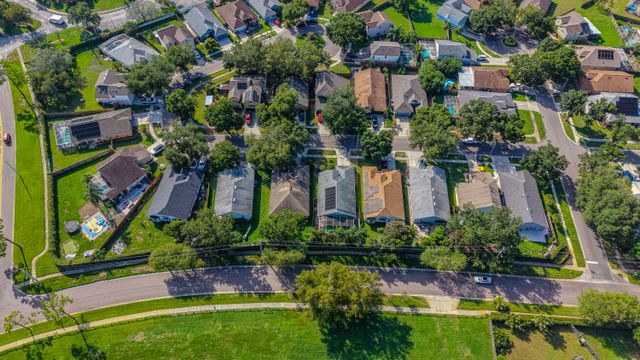
Alamo Heights, with its highly regarded school district, is a particular draw for families. Investors should weigh the higher purchase prices and older housing stock against strong demand and appreciation potential.
Find Out More About How We Can Help
Learn About Our Property Management Services!
The South Side and Southtown
Southtown and parts of the South side offer eclectic character, arts culture, and more affordable entry prices. Some of these areas are evolving quickly, which can create opportunity but also uncertainty. Investors who do their homework on specific blocks, rent levels, and renovation costs can find value. Renters in Southtown here often look for affordability and proximity to downtown. Because conditions can vary significantly from one street to the next, local knowledge matters.
The West Side and Westover Hills
The West side, including newer communities near Loop 1604 and State Highway 151, serves employers in manufacturing, technology, and logistics. Westover Hills and similar areas have grown rapidly, offering newer homes at a range of prices. Demand tends to come from working families and employees of nearby companies. Investors should look at commute patterns, new construction supply, and school boundaries.
Evaluating a Specific Block
Even within a strong neighborhood, individual blocks can differ. When evaluating a property, consider these factors:
Visit at different times of day and week.
Check traffic, noise, and nearby commercial uses.
Review comparable rentals and how long they stay listed.
Look at the condition of neighboring homes.
Ask about flooding history, since parts of San Antonio are prone to flooding.
Check property tax rates and special districts.
Confirm HOA restrictions on leasing.
San Antonio Rental Realities to Plan For
Some of the realities of rental homes that San Antonio owners should be aware of include:

Heat. Reliable air conditioning is essential, and failures need quick response.
Weather events. Hail, storms, and occasional freezes can affect roofs, plumbing, and landscaping.
Foundation issues. Expansive clay soil can cause foundation movement in some areas, so inspections matter.
Property taxes. Build them into your numbers.
Insurance costs. Wind and hail coverage can be significant.
Numbers Over Hunches
Before choosing a neighborhood, build a simple model. Estimate rent from comparable listings, subtract vacancy, management, maintenance, taxes, and insurance, and compare the result to your price and financing costs. Do this for several neighborhoods and look for the best balance of return, risk, and effort. A slightly lower return in a stable, high-demand area can beat a higher paper return in an area with turnover and repair surprises.
Here is a simple illustration. Imagine two homes. The first sits in a well-established Northwest side neighborhood, rents for $2,400, and typically leases within two weeks to tenants who stay for several years. The second sits in a less proven area, rents for $2,600 on paper, but spends six weeks on the market between tenants and tends to turn over every year.

After accounting for vacancy, leasing costs, and repairs, the first home often delivers the better net income, with far less stress. Looking only at the headline rent would have pointed you to the wrong investment.
Talk with people who know the ground. Local property managers see leasing activity across many streets every week, and they know which areas draw applicants quickly, which price points stall, and which neighborhoods are changing. That kind of insight is hard to get from online listings alone, and it can help you avoid a costly mistake before you buy.
Finally, remember that the best neighborhood for you also depends on how you plan to hold the property. A long-term hold benefits from stable, growing areas with strong schools and employment. A shorter hold may prioritize entry price and near-term cash flow. Be clear about your timeline and risk tolerance, and choose an area that supports them.
Neighborhood Checklist
Identify the tenant you want to serve.
Check employment, commute, and school factors.
Compare rent-to-price ratios.
Review vacancy and days on market.
Inspect the property and the street.
Account for taxes, insurance, and maintenance.
Check HOA and city rules.
Get a local rental analysis before you decide
Bottom Line
The best San Antonio neighborhood for renters or real estate investors depends on your budget, priorities, and long-term goals. Areas near major employers, military installations, schools, and lifestyle amenities can attract consistent rental demand, but higher purchase prices, property taxes, insurance, and maintenance costs can affect profitability.
Comparing neighborhoods using realistic rental estimates and operating expenses helps you identify opportunities that make sense beyond the advertised price or rent.
It's also important to look beyond broad neighborhood trends. Conditions can vary from one street to the next, making property inspections, comparable rental data, and local market knowledge essential before you commit.
With 26 years of experience serving San Antonio and surrounding communities, Wright Property Services helps property owners navigate local rental markets and manage their investments. Before buying or leasing, request a free rental analysis to better understand your property's earning potential and make a more informed decision.
Want to Know More About Us?
Frequently Asked Questions
What are some of the best San Antonio neighborhoods for rental properties?
The Northwest Side and Medical Center area attract healthcare workers and professionals, while Stone Oak appeals to families seeking newer homes and established school districts. Military-connected areas on the Northeast Side can benefit from demand linked to Joint Base San Antonio. Central neighborhoods often attract renters who value walkability, restaurants, and cultural amenities. The best choice depends on your budget, target tenant, and investment strategy.
Is San Antonio a good city for real estate investors?
San Antonio offers a range of potential investment opportunities due to its employment centers, military presence, healthcare sector, and varied housing markets. However, profitability depends on the specific property and its expenses. Investors should evaluate comparable rents, vacancy rates, property taxes, insurance, maintenance needs, and purchase prices before deciding whether a property fits their financial goals.
What should investors look for when comparing San Antonio neighborhoods?
Start by comparing realistic rental income with purchase prices and ongoing expenses. Look at how quickly comparable homes lease, tenant demand, employment access, school boundaries, and long-term property value trends. You should also review property taxes, insurance costs, HOA restrictions, flooding history, and the condition of nearby homes. These factors help reveal risks that advertised rents alone may not show.
Which San Antonio neighborhoods are popular with military renters?
Areas on the Northeast Side, particularly those with convenient access to Randolph Air Force Base and major highways, can appeal to military households. Renters connected to Joint Base San Antonio may prioritize manageable commutes, pet-friendly properties, and responsive maintenance. Investors should consider military assignment and relocation cycles when planning lease terms and marketing strategies.
How can I estimate the rental income of a San Antonio property?
Start with comparable rental listings in the immediate area, then account for vacancy, property management, maintenance, property taxes, insurance, and financing costs. A local rental analysis can help you assess a property's earning potential using neighborhood-specific information. Wright Property Services offers a free rental analysis to help owners evaluate their property's potential before making investment decisions.